In Defense of Small Talk
Before we can talk about deeper topics like grief, we have to hold space for the weather.

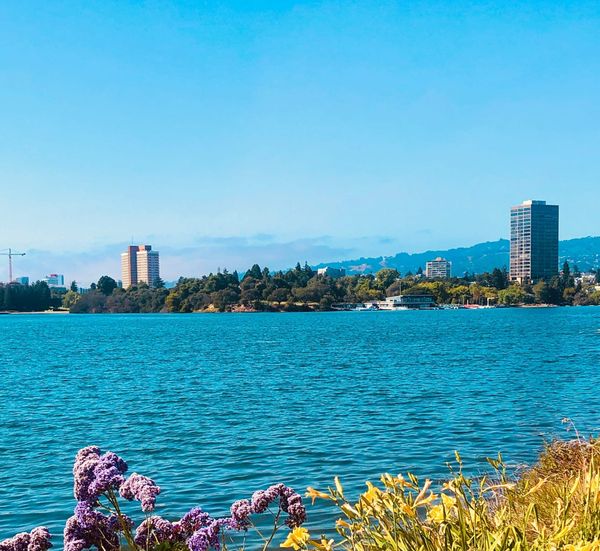
We’ve been experiencing a “false spring” in the Bay Area. The weather has warmed up and the sun shines brightly. Daffodils are in full bloom. Cherry blossoms are now a regular part of my afternoon walk. Every in-person interaction seems to start with a comment about the beautiful weather.
A recent conversation with my neighbor, Sam, was no exception. But he wasn’t as ecstatic as I was expecting. He lamented “there won’t be as much fruit this summer.” He explained that the unseasonably warm weather causes plum and cherry trees to flower well before pollinators start buzzing about. By the time bees and butterflies are pollinating, the flowers have been knocked off the trees by rain or wind.
As a result, there would be fewer cherries and plums in this neighbor’s backyard garden. And these fruit trees have been decades in the making. Sam explained that the first thing he does when he moves to new home is plant some trees. He and have cherries, plums, lemons, oranges, raspberries, and a myriad of fragrant flowers in their garden
I learned so much about him and ecology by simply talking about the weather. But more importantly, I could see from our conversation about the weather how he was doing. The sunny day didn’t mean frolicking outside for him. It meant fewer fruits. We didn’t talk about other things in his life but I could guess that he might be having a hard time.

It’s easy to dismiss conversations about the weather as shallow and devoid of meaning. But these conversations often reveal folks’ current disposition more than “how are you?” In America, “how are you?” is synonymous with hello. It’s often not a genuine question. So most people don’t answer honestly. But talking about the weather is an innocuous way to inquire about someone's state. It’s an easy beginning to a friendship or a community.
When you pay attention, you see how folks give you hints about how they are feeling in how they talk about the weather. On rainy days, folks will often talk about how great the water will be for the plants or how needed this rain is. On sunny days, someone having a hard time might talk about how grateful they are for the sunshine or bemoan the allergies they suffer from.
“The ability to hold space for another's experience is a critical one. It's not about giving advice or trying to fix anything, but witnessing and just being an active, attentive presence. Sitting with the grief and pain of other people can be so hard. I often find it uncomfortable to just listen and watch a loved one in distress. I want to fix, I want to advise.”
―
Mia Birdsong, How We Show Up: Reclaiming Family, Friendship, and Community
And because we can’t fix the weather, these conversations also serve as practice for us to learn how to hold others' feelings without solving them. All the interactions ask of us is to simply bear witness to how the other person is experiencing the current weather. So when Sam bemoaned the sunny days, I didn’t correct or attempt to talk about how nice the sunshine is. I was simply curious about his experience and learned so much about him.
And this and many interactions like it led to a recent conversation Sam and I had about grieving our fathers. His father died more than a decade ago and he described how he had recently begun to miss his father’s mindless conversation. I shared how I’m only now getting to know my father as a person. And we commiserated about how much loss had changed both of us.
Before we can talk about deeper topics like grief, we have to hold space for the weather. It feels increasingly fraught to speak directly about vulnerable topics. But we can build deep connections by genuinely being curious about how folks respond to “how’s the weather?” By asking follow-up questions and showing genuine interest in their answers, we let strangers, friends, and neighbors tell us how the weather is impacting their bodies and disposition. We allow folks to connect the weather to their life stories. And we build community from there.
Acknowledgement
Thank you to my brilliant therapist who reminded me of how healing writing is. Thanks as always to Rye Castillo for being a generous first reader.